
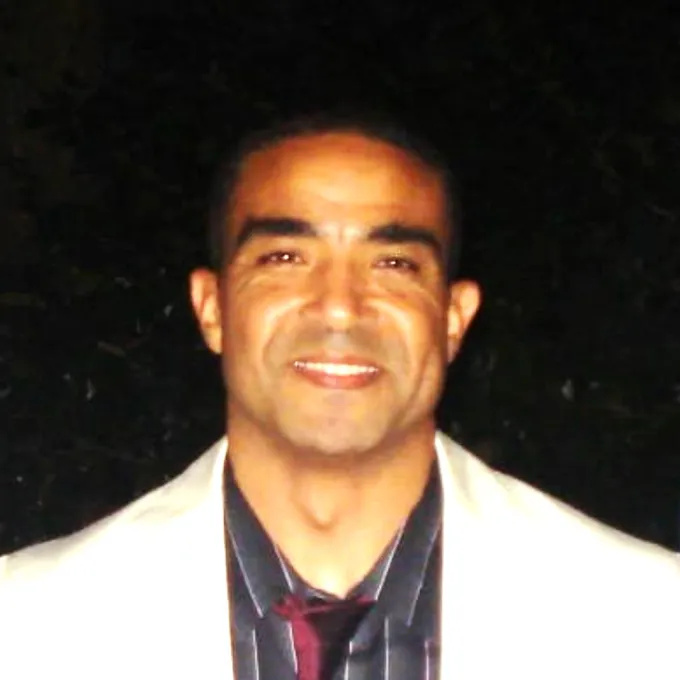
Younasse Tarbouni's areas of interest include foreign language education (Arabic and Amazigh) in European public schools.
Tarbouni is a scholar of Mediterranean, Arabic, and MENA Studies whose work brings together political sociology, sociolinguistics, and the study of migration. Trained in applied linguistics and sociolinguistics, he earned his Ph.D. from the University of Paris–EHESS, where he conducted research in the CADIS and CNRES laboratories. His research explores how social movements, migration, and public education have evolved before and after the Arab Uprisings, with a particular focus on North African diasporas and the shifting political landscapes of both Europe and the Global South.
A major thread in his work examines how language shapes public life; especially the ways linguistic violence in media influences news reception and public understanding of identity, belonging, and migration. He also investigates necropolitics in the migration debate, analyzing how states and non‑state actors govern life and death along Mediterranean migration routes. His recent projects look closely at representations of migration across Mediterranean social media and cinema, tracing how digital and visual cultures frame mobility, borders, and displacement.
Tarbouni’s monograph, 21st Century of Arab Revolutions, offers a landmark historical and sociological analysis of contemporary Arab social movements, arguing that these uprisings mark the beginning of a century‑long political shift across the Global South. His broader research spans topics such as the Mediterranean migration business, Global South–Global North dynamics, apostasy and forced migration, socio‑ethnic tensions linked to regional mobility, diaspora political representation, the status of Arabic in the Global North, and the politics of language in MENA higher education.
In the classroom, Tarbouni teaches courses and independent studies on the politics of mobility, the Arab socio‑economic revolutions, and their long‑term reverberations. He also teaches Arabic language and linguistics, drawing on the history of Semitic languages and the evolution of Arabic and its many varieties. His courses explore the ongoing “business” of reinventing languages in response to political and cultural change, as well as the role of grammar in shaping media discourse—often through analytical projects on networks such as Al Jazeera and Al Arabiya. He also examines the rise of citizen journalism, the linguistic impact of the media revolution, and the sociological dynamics behind the rise and collapse of political Islam.
Safe Asylum: Refugee Politics and Pathways First Year Ampersand Course