
Weaving “Brocades”: Rules, Textuality, and Games of Reading
This talk centers on a set of word puzzles known as “brocades” to demonstrate how gaming, especially through its rules (dufa), expanded and reimagined the act of reading wen in early modern China. “Jin,” or “brocade,” as an umbrella term, refers to a series of creative applications of the Chinese writing system that mimic everyday objects, in which readers were required to follow a specific trajectory that imitated the process of weaving a piece of brocade. I trace the intricate transformation of the “brocade” puzzles from a hands-on game played across social echelons that required one to see the words and touch them with fingers; to a word diagram, whose animation mimics cosmological movement; and finally, to a word-only notational system encoding coordinates for chess pieces on a Go board. I argue that reading emerges as both material (engaging tactility) and algorithmic (encoding and decoding coordinates), ontological (reflecting on the act of reading itself) and epistemological (reading as a means of knowing the order and movement of the phenomenal world), simultaneously engaging with both the visible textual surface and the underlying structure. These puzzles complicate our understanding of literacy and reading, anticipating aspects of digital textuality in their emphasis on fragmentation, tactile interface, and structural coding.
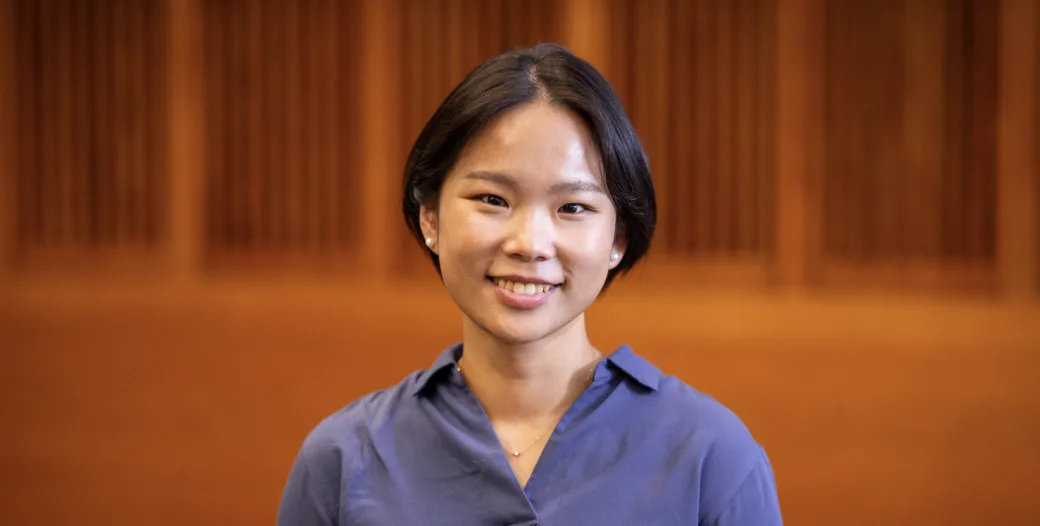
Biography: Jiayi Chen is an assistant professor of East Asian Languages and Cultures at Washington University in St. Louis. Her research focuses on early modern Chinese literature and culture, particularly their intersections with games, theater, visual and material culture, and the history of books and reading. Her current book project, tentatively titled Game On: Epistemic Play in Early Modern China, studies how the critical potential of games to model reading, learning, and thinking, thereby cultivating new epistemological perspectives for navigating reality. Her other research interests include early modern Chinese discourses on immersion, magic, and cultural exchanges in East Asia.